

Nurturing Emerging Leaders for Future Success



Nurturing Emerging Leaders for Future Success
One of the great privileges of my work is the range of people I get to learn from every day. I speak regularly with board members, executive leaders, and both emerging and experienced professionals who are thinking carefully about what comes next in their careers. Together, they represent the people carrying the nonprofit and philanthropic sector forward. So often they are doing this important and meaningful work while navigating increasing complexity, scrutiny, and change.
When similar questions start surfacing across those conversations, I take notice. Lately, one question has come up again and again: How are we intentionally building leadership capacity beyond ourselves? How are we strengthening the bench behind us so our organizations are prepared, not just for the next transition, but for whatever comes after that? In a year of transition for Chaloner’s business, it was not just a question from our clients, but for myself and my team.
Leadership today is less about control and more about judgment. It requires leaders who can make sense of incomplete information, build trust that transcends physical distance, and move organizations forward without perfect clarity. Developing those capabilities requires intention, partnership, and a willingness to share leadership work before it feels comfortable. Building the next generation of leaders means reflecting on our own strengths and being open to sharing where we failed and learned.
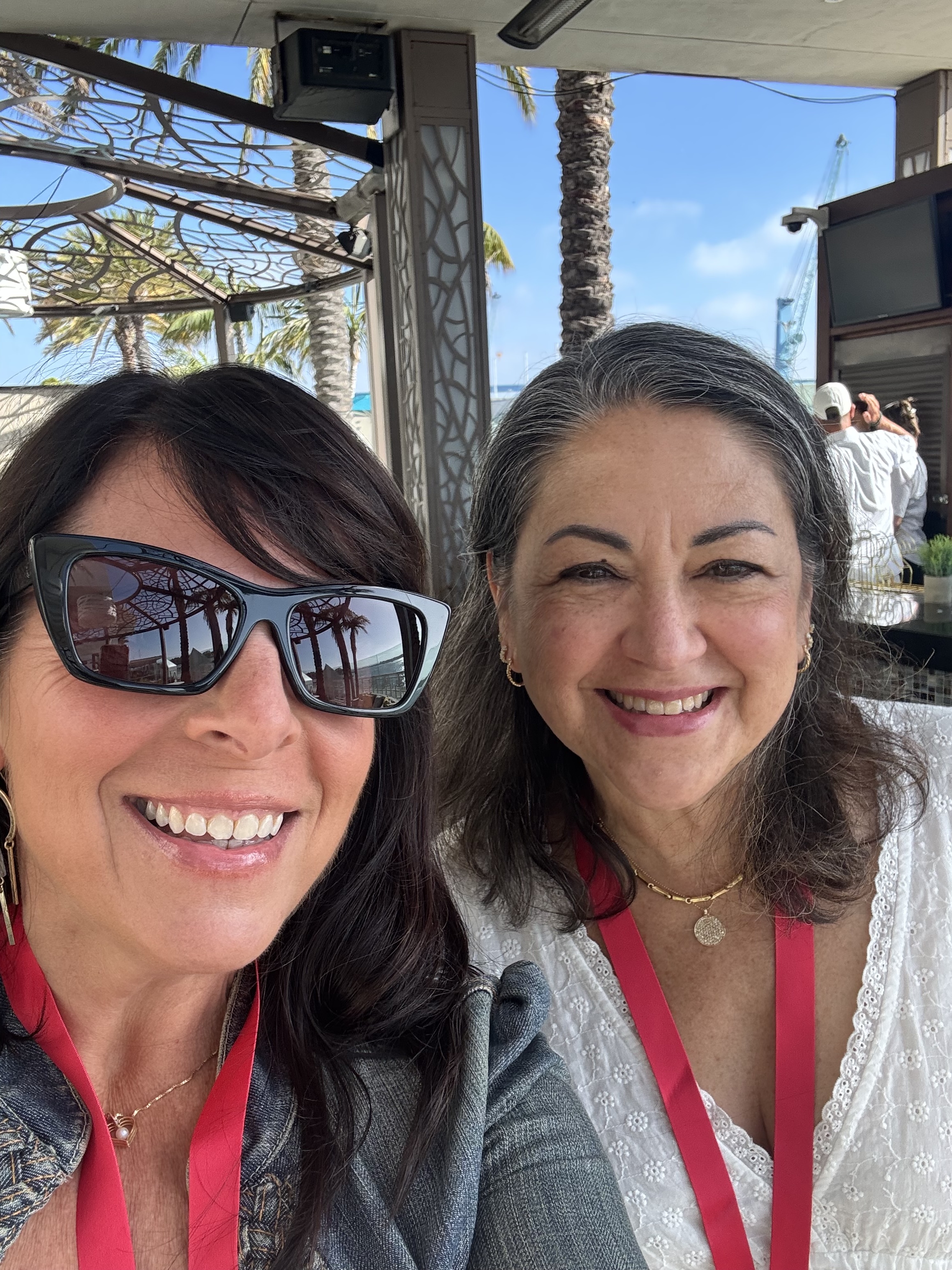
I recently had the chance to reflect on this with a longtime colleague and friend, Lucille Renwick, former Chief Communications Officer at Wellspring Philanthropic Fund. Our conversation focused on how organizations can cultivate leadership capacity among emerging professionals. We think of those professionals with the skills and perspective to lead at a higher level, but who benefit from visibility, context, and sponsorship as they grow into that responsibility.
Redefining What It Means to Be an Emerging Leader
As we considered who we thought of as the bench to build and who might be an emerging leader, Lucille and I agreed that they are not defined by age or title. They are defined by the scope of decisions they are beginning to influence.
These are professionals with roughly eight to twelve years of experience who are being asked to navigate more ambiguity, manage competing priorities, and represent the organization externally. They may already lead teams or initiatives, or they may be the people others turn to when decisions get complicated. With the right exposure and support, they are capable of operating at a broader, more strategic level.
Why Build a “Bench Behind You?”
Building a bench behind you is one of the clearest signs of strong leadership because it strengthens the organization while you’re still in the role.
First, it protects the mission. Nonprofit and philanthropic organizations exist to serve communities, causes, and values that outlast any one leader. When leadership knowledge, relationships, and decision-making authority live with only a few people, the organization becomes fragile. A strong bench ensures continuity, reduces disruption during transitions, and allows the work to keep moving even when leaders step away, change roles, or face unexpected challenges.
Second, it improves the quality of decisions today. When leadership capacity is distributed, leaders are no longer carrying complexity alone. More people are equipped to assess risk, surface perspectives, and anticipate downstream impacts. This leads to better judgment, faster execution, and fewer bottlenecks, especially in moments that require quick or high-stakes decisions.
Emerging professionals want to grow, stretch, and be trusted with meaningful responsibility. When leaders invest in building a bench, they signal that leadership is shared and that growth is possible. This builds commitment, reduces burnout at the top, and helps organizations retain people who might otherwise look elsewhere for opportunity.
Finally, building a bench is an act of stewardship. Leadership is not about holding knowledge or authority as long as possible, it’s about ensuring the organization is stronger because of your tenure. Leaders who build depth behind them leave healthier teams, clearer decision pathways, and a culture where leadership is expected, supported, and sustained.
Leadership Is Learned Through Visibility, Not Proximity
Leadership used to be absorbed by watching how decisions were made in the room. Today, much of that work happens across meetings, messages, and moments that are easy to miss. My own team is distributed across timezones and home offices. As Lucille and I discussed why building leaders felt so different, we realized that many teams have both emerging leaders and nascent professionals who have only known a virtual office environment.
When leadership work is invisible, people struggle to develop sound judgment. They see outcomes without understanding trade-offs, constraints, or values that informed the decision.
One of the most effective ways senior leaders can nurture emerging leaders is by making their thinking visible - “showing their math”. That means articulating how priorities are set, why certain paths are chosen over others, and how leaders balance mission, people, and sustainability. When emerging leaders understand how decisions are made, not just what decisions are made, they begin to think differently themselves.
Expanding Responsibility Before It Feels Comfortable
Leadership capacity grows when responsibility is shared earlier and more intentionally than feels strictly necessary.
This doesn’t mean setting people up to fail. It means creating space for experienced professionals to own decisions, manage risk, and be accountable for outcomes, while still having support behind them.
The most successful organizations treat leadership as real work, not an add-on. They adjust workloads, clarify decision authority, and acknowledge that developing leaders requires time and trust. When responsibility is thoughtfully expanded, confidence and capability tend to grow together.
Lucille emphasized how much intentional design matters when it comes to developing leadership over time. She’s seen the strongest results when senior leaders create a clear runway for growth, something experienced professionals can step into that is tied to real organizational needs, not abstract training. When managers are involved and leadership responsibilities are integrated into day-to-day work, development becomes practical and sustainable. Regular check-ins help turn experience into insight, and the organization benefits immediately from stronger leadership capacity. Just as importantly, this approach creates meaningful opportunities for senior leaders to share perspective and guidance, something many are eager to do. When done well, everyone grows, and the organization grows with them.
From Experience to Judgment
Oftentimes, we think it is time, or age or lived experience that makes someone worthy of a leadership title. When I am assessing leadership qualities, what I find myself gravitating to is their judgement. That is something so much more difficult to define and teach. Strong leaders are not defined by having all the answers, but by their ability to weigh trade-offs, anticipate consequences, and course-correct when things don’t go as planned.
That kind of judgment only develops in environments where it is safe to take risks and learn in real time. Organizations that build leadership capacity intentionally create space for leaders to talk openly about decisions, not just outcomes, and to examine what worked, what didn’t, and why. When uncertainty is normalized and mistakes are treated as data rather than failure, leaders grow more confident in their ability to navigate complexity. Over time, this builds not just stronger individual leaders, but a culture where leadership is understood as a shared, evolving practice.
Sponsorship as a Leadership Responsibility
One of the clearest signals that someone is being prepared for broader leadership is sponsorship.
Sponsorship shows up when senior leaders advocate for others, share credibility, and invite emerging leaders into high-stakes work. It’s visible when leaders step back at the right moment, allowing others to lead while remaining accountable for outcomes.
This is also where equity matters most. Without intentional sponsorship, leadership pipelines tend to replicate themselves. Organizations that take bench-building seriously examine who gets visibility, who is trusted with complexity, and whose leadership is recognized.
Building leadership capacity is not about replacing today’s leaders. It’s about ensuring that leadership is shared, distributed, and sustainable.
The organizations that thrive over time are those that treat leadership development as collective work, something that happens through everyday decisions, relationships, and shared responsibility. When leaders invest in visibility, judgment, and trust, they don’t just prepare individuals for future roles. They strengthen the organization as a whole.
I am so grateful Lucille was willing to bring her extensive experience into this conversation with me. I appreciate all the ways in which she challenged me to think expansively about emerging leaders in my own search work and as we continue to grow together at Chaloner.
Related Articles
Why ComNet Always Fills My Cup


How Important Is It to Clearly Communicate Your Mission in the Hiring Process?